Bulgaria
The oldest country in Europe
Welcome to Bulgaria, a proud member of the European Union, Schengen, and NATO. As the oldest country in Europe that has preserved its original name since its founding, Bulgaria stands as a testament to enduring history and cultural richness.
A Journey Through Time
In the 7th century AD, the Proto-Bulgarians, led by the visionary Khan Asparuh, crossed the Danube River. By 681, they had established a state south of the Danube, laying the foundation for what would become a significant cultural and political force in Europe.
The Golden Age of the First Bulgarian Empire
The early 10th century marked the peak of the First Bulgarian Empire. During this period, Bulgaria’s influence spread far and wide, thanks to its pioneering literary schools and rich literary tradition. The legacy of this era continues to shape the cultural landscape of Europe today.
Join us in exploring Bulgaria—a country where ancient history meets modern vibrancy, offering a unique blend of tradition and progress. Discover the enduring spirit of a nation that has left an indelible mark on European history.
Bulgaria is among the European countries with the richest history. In terms of its cultural and historical heritage, Bulgaria is high in the European ranking. With more than 40,000 cultural monuments, Bulgaria places right after Italy, Greece and Turkey. Seven of these cultural monuments were included in the list of World Heritage Sites. Apart from dry statistics, there are other indisputable facts that prove that traces of some of the oldest civilizations in Europe were found on Bulgarian territory. Here are four of them:
The oldest autocephalous Eastern Orthodox Church in Europe
The Bulgarian Orthodox Church has been an autocephalous Orthodox jurisdiction since 879. In 927, the Patriarchate of Constantinople recognized the autocephalous status of the Bulgarian Orthodox Church and acknowledged its patriarchal dignity. The Bulgarian Patriarchate precedes the autocephaly of the Russian Orthodox Church by 662 years and the autocephaly of the Serbian Orthodox church by 292 years
Earliest evidence of Homo sapiens in Europe found in Bulgarian cave
In the spring of 2020, during excavations in Bulgaria’s Bacho Kiro cave near Dryanovo, a team of Bulgarian and foreign archaeologists came across a sensational finding-animal bones, tools made of stone and bones, beads and pendants, and remains of human fossils which date to 45,000- 47,000 years ago. These are the earliest remains of Homo sapiens discovered on the territory of Europe. The new findings are evidence that in that period, the Homo sapiens settled in this part of the continent and began living together with the Neanderthals. Until recently, the traces of Homo sapiens discovered in the Romanian cave Pestera Muierii, which date to 41,000 years ago, were considered the oldest in Europe.
The oldest processed gold in Europe and the world
In 1972, archaeologists came across an ancient necropolis near the coastal city Varna containing the oldest processed gold in the world. More than 3,000 golden items weighing more than 6 kilograms were discovered during the excavations. The exquisitely made artefacts date back to the beginning of the 4th century BC and are associated with the so-called Chalcolithic culture in the region/ part of which is Solnitsata (The Saltworks) near Provadia-https://bnr.bg/en/post/101364920/mouthless-mask-and-a-mass-grave-saltworks-near-provadia-reveal-their-secrets/ regarded as the oldest one in Europe.
The oldest continuously inhabited city in Europe
The history of the city of Plovdiv began more than 8,000 years ago. Life in Plovdiv has continued for centuries-from the Prehistoric period to the present day. According to researchers, this is the oldest town in Europe, where life has never stopped. The city was inhabited before the Thracian epoch and the Roman period. According to some global rankings, Plovdiv is the oldest continuously inhabited city in Europe and the fifth oldest continuously inhabited city in the world after Jericho (Palestine), Byblos (Lebanon), Damascus and the Iranian city of Susa.
The oldest autocephalous Eastern Orthodox Church in Europe
The Bulgarian Orthodox Church has been an autocephalous Orthodox jurisdiction since 879. In 927, the Patriarchate of Constantinople recognized the autocephalous status of the Bulgarian Orthodox Church and acknowledged its patriarchal dignity. The Bulgarian Patriarchate precedes the autocephaly of the Russian Orthodox Church by 662 years and the autocephaly of the Serbian Orthodox church by 292 years.
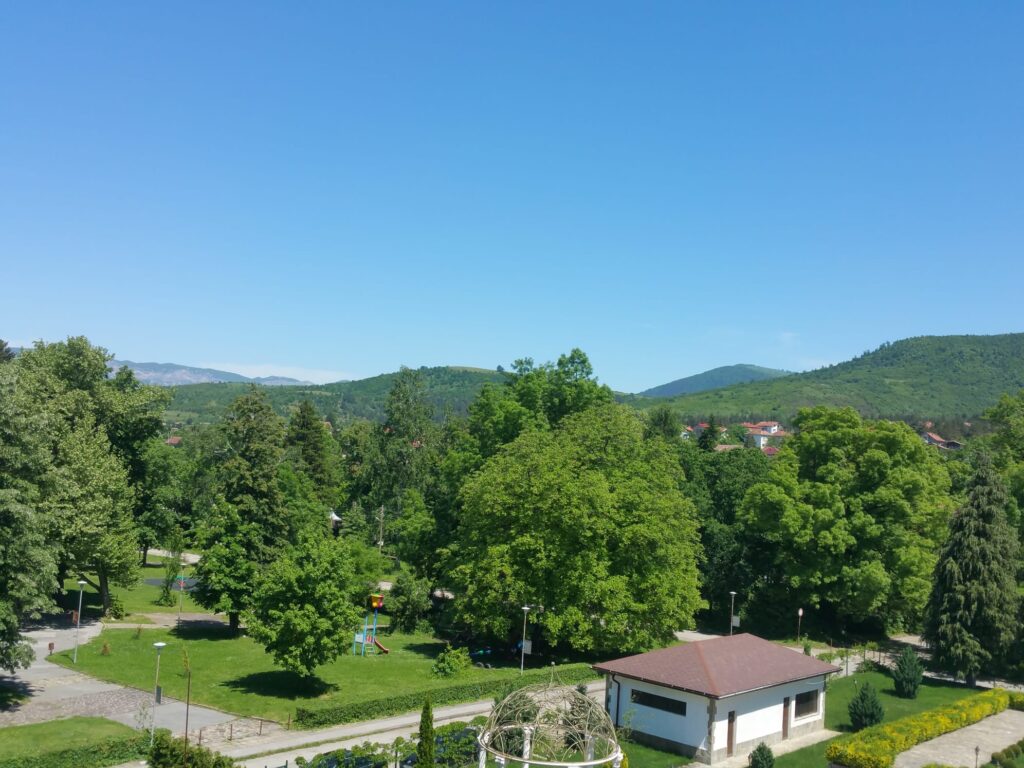
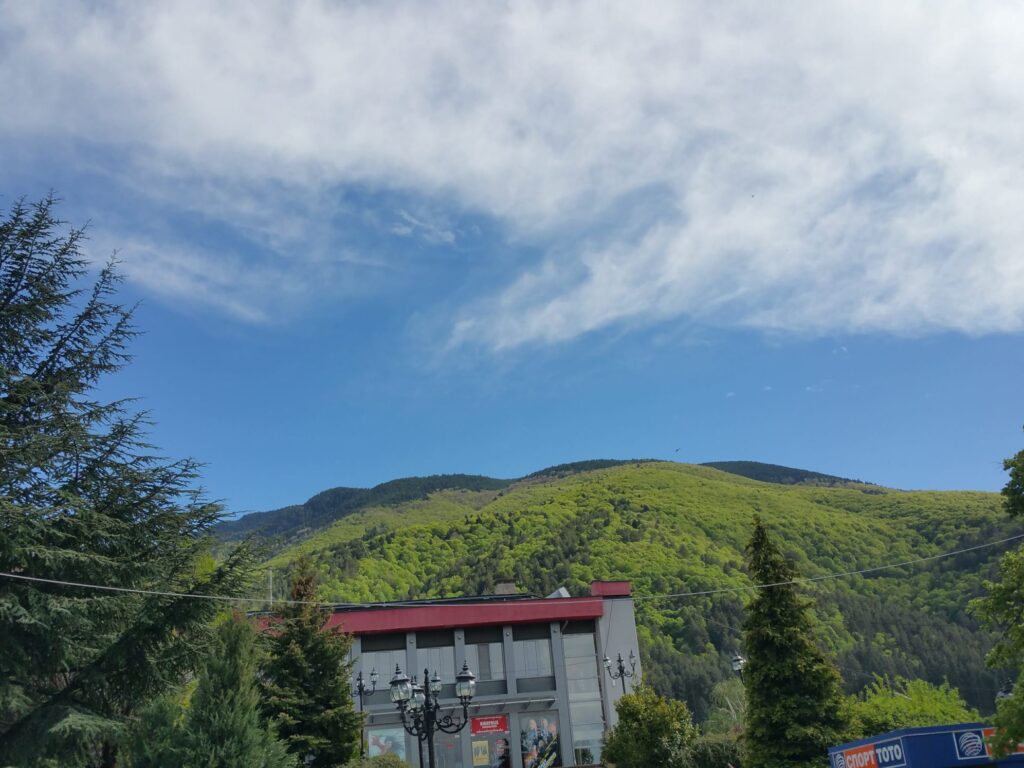
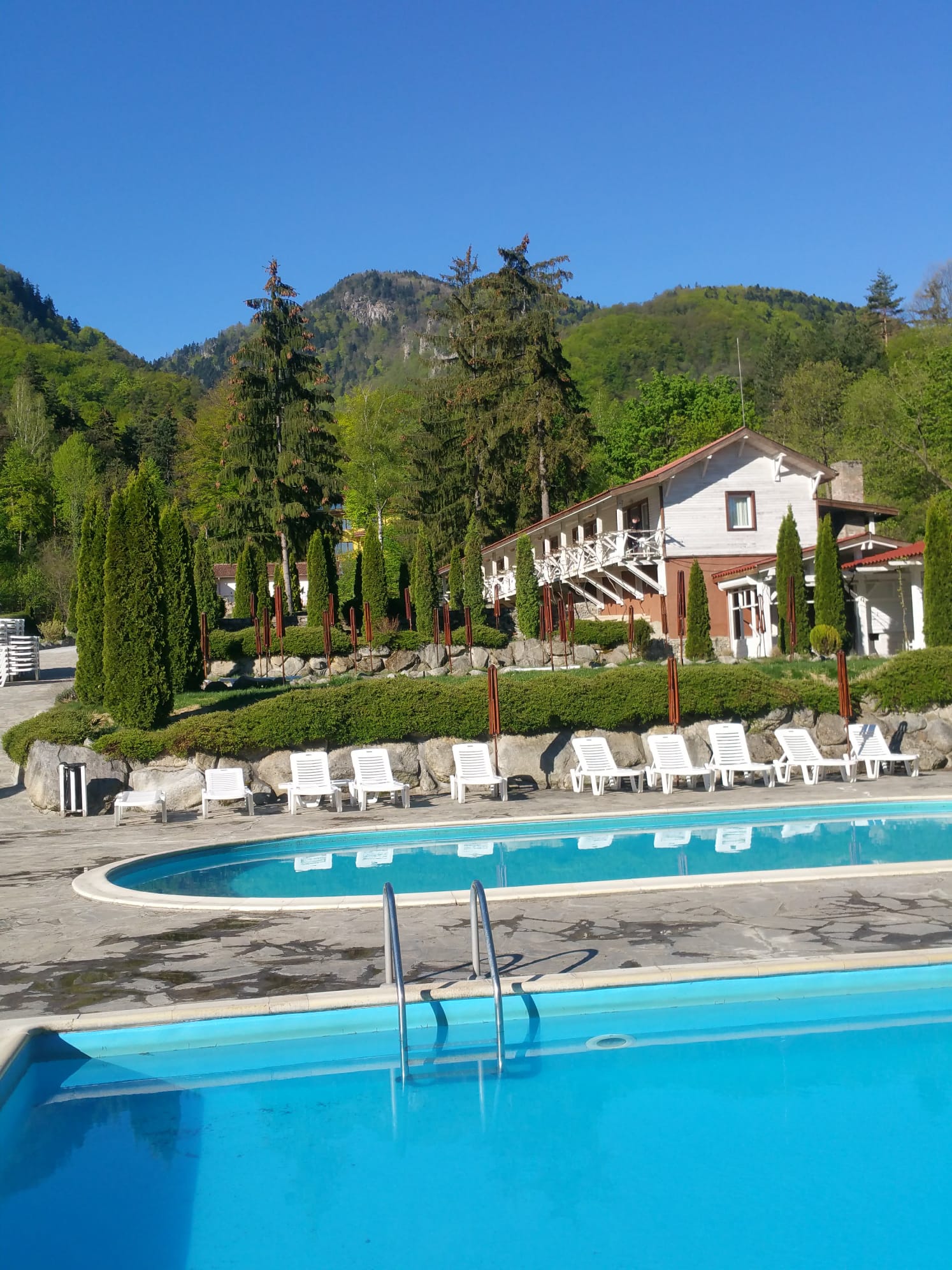
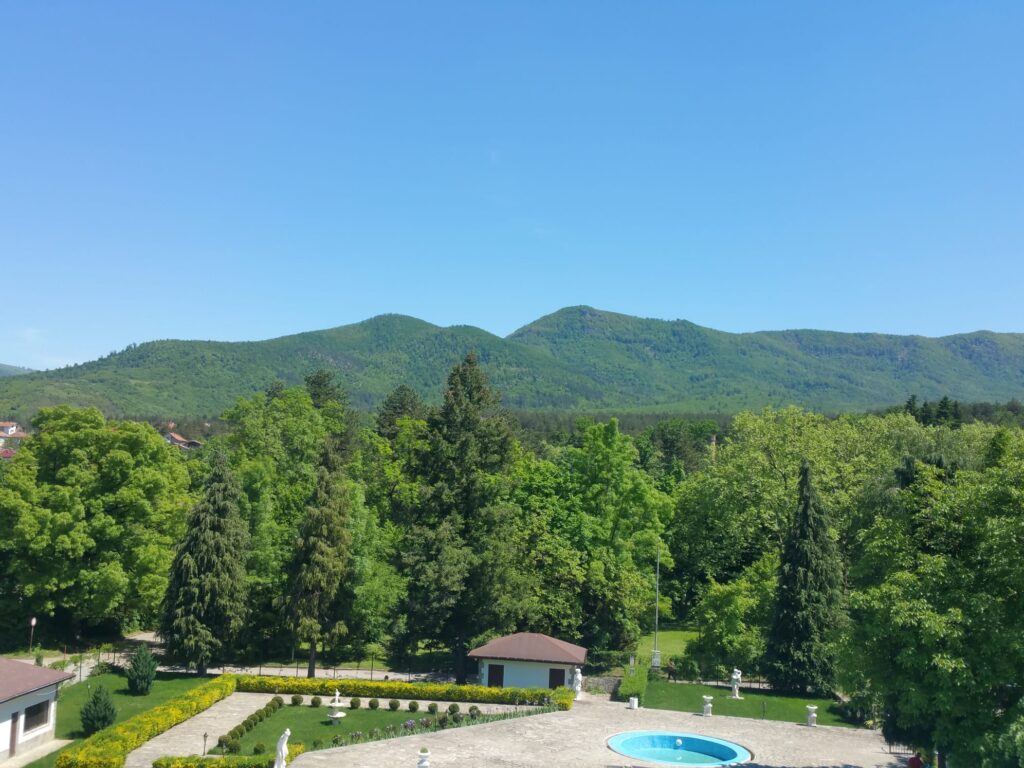
Discover Bulgaria’s Diverse Landscape and Natural Beauty
A Land of Varied Terrain
Bulgaria boasts a rich and diverse landscape that includes plains, flatlands, hills, plateaus, river valleys, basins, and mountains of varying heights. Approximately 70% of the country consists of lowlands and hills, while mountains make up the remaining 30%. The average elevation is 467 meters above sea level, with altitudes decreasing from south to north and west to east.
Majestic Mountains
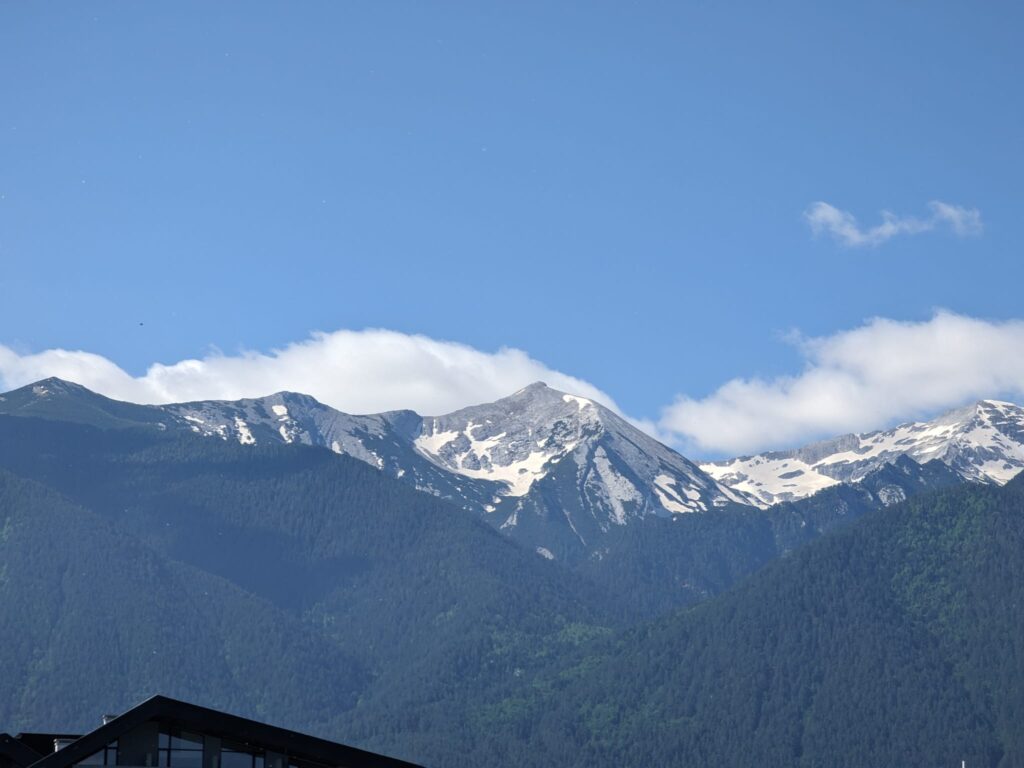
In the central part of the country lies the Stara Planina (Balkan) mountain range, with Botev Peak standing tall at 2,376 meters. The western part of this range is traversed by the Iskar River, creating a picturesque 70-kilometer-long gorge. To the north, the Pre-Balkan region features characteristic karst formations and its highest point, Vasilyov Peak (1,490 meters).
South of the Balkans, you’ll find the Sredna Gora Mountains and the largest basin, the Sofia Valley, home to Bulgaria’s capital, Sofia. The Sredna Gora range includes Zavalsko-Planska, Ihtiman, and the Syra Mountains.
Fertile Plains and Rolling Hills
Between the Balkan foothills and the Danube River lies the expansive Danube Plain, covering 31,000 square kilometers. This area includes high plateaus such as Dobrudzha and those near Provadia, Lilyak, and Shumen. The northern part of the plain features river terraces along the Danube.
Western and Southwestern Bulgaria
The Vitosha Mountain, with Cherni Vrah (2,290 meters) as its highest point, rises south of Sofia. The region also hosts several lower mountain ranges, including Ruy, Milevska, Zemenska, and Konyavska. West of the Struma Valley and south of the Kraishte area lies the Osogovo-Belasitsa mountain chain, featuring peaks like Ruen (2,251 meters) and Radomir (2,029 meters).
High Peaks of Rila and Pirin
The Rila and Pirin mountains, east of the Struma Valley, are Bulgaria’s highest ranges. The average altitude here is 1,258 meters, with 60% of the area exceeding 1,000 meters. Rila Mountain is home to Musala (2,925 meters), the tallest peak on the Balkan Peninsula, and 31 other summits over 2,600 meters. In Pirin, 33 peaks exceed 2,600 meters, including Vihren (2,914 meters), the second-highest in Bulgaria and third on the peninsula. The glacial landscapes have created stunning alpine lakes.
The Rhodopes and Other Regions
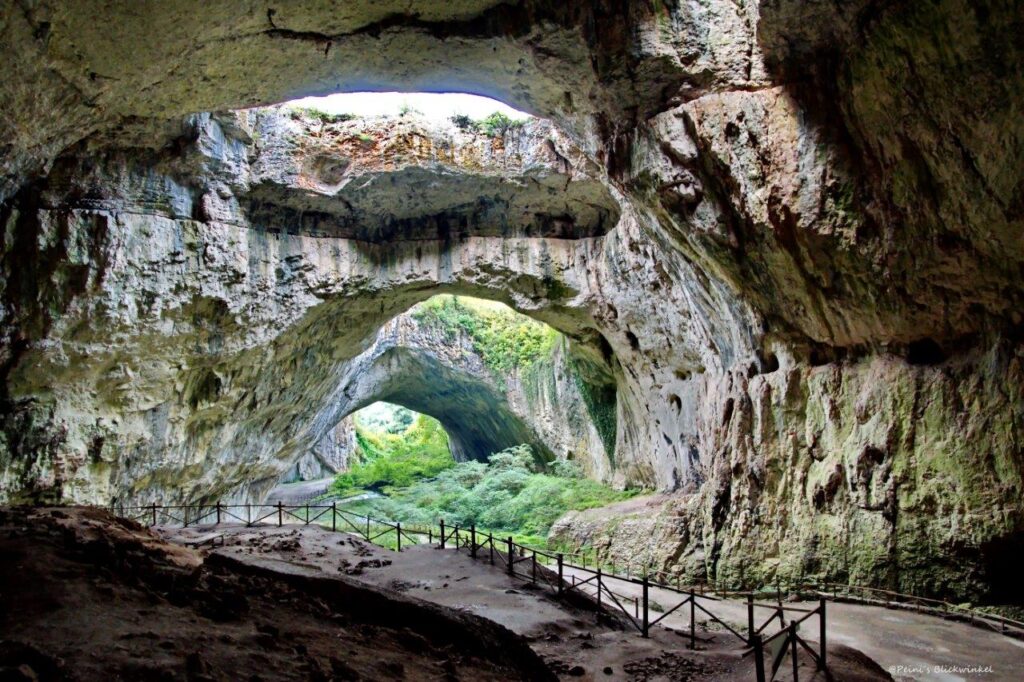
East of Rila and the Mesta Valley lie the Rhodopes, with 11 peaks over 2,000 meters, including Golyam Perelik (2,191 meters). This region attracts numerous tourists with its natural landmarks, such as caves, waterfalls, and high-altitude lakes.
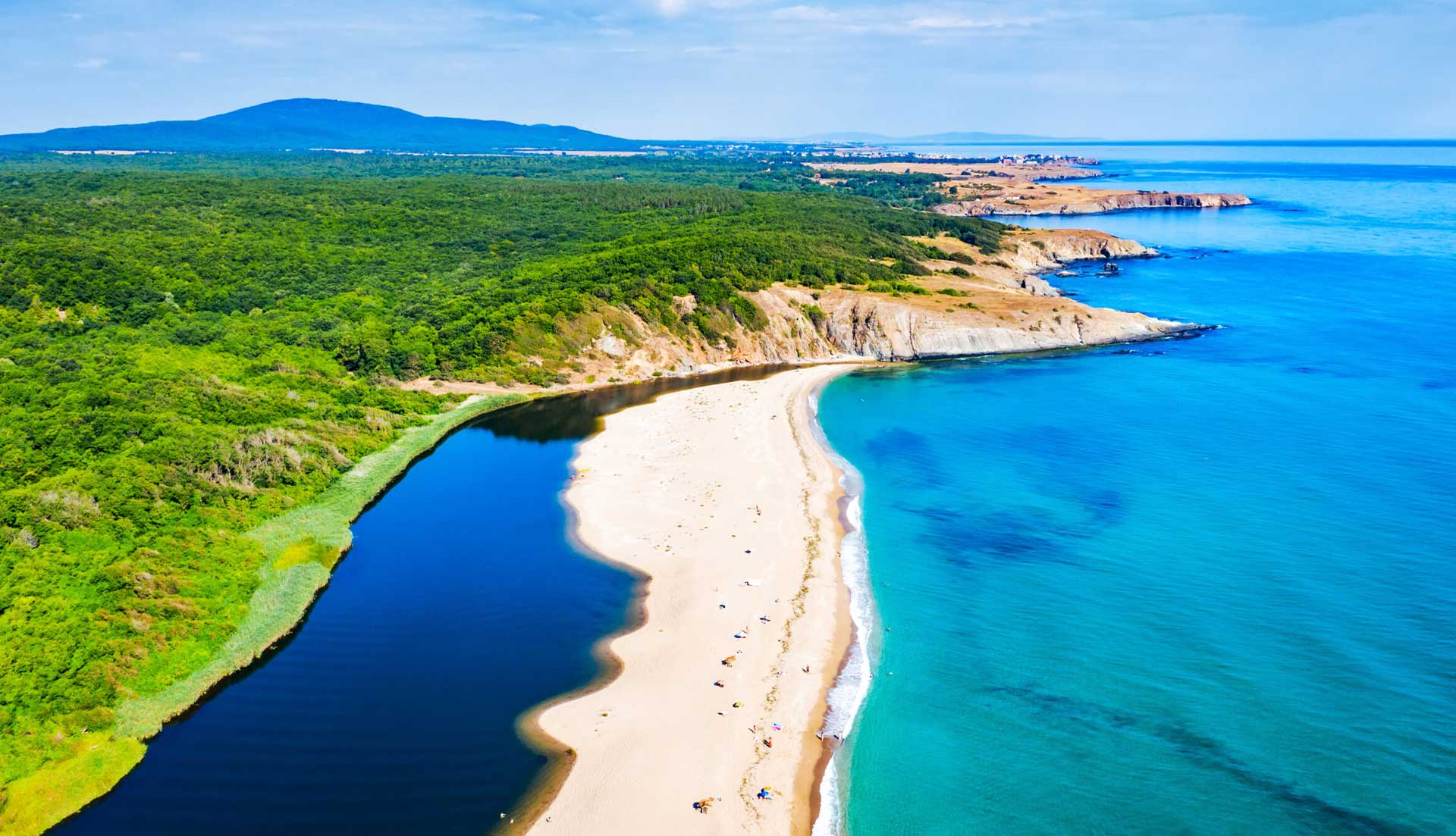
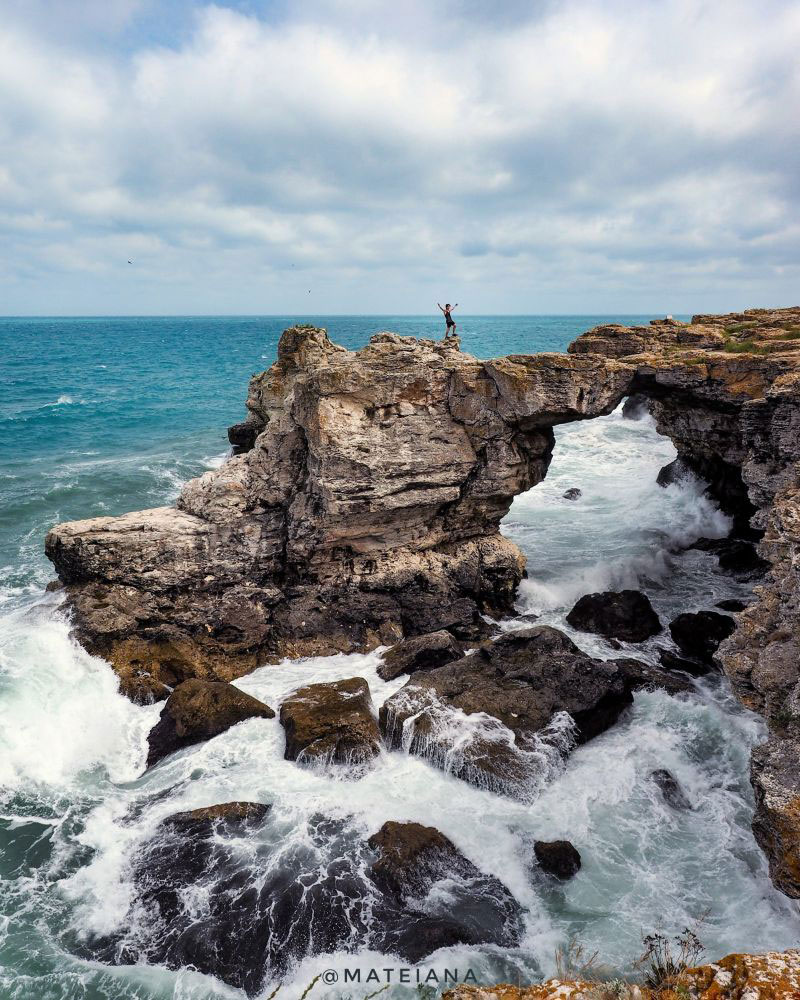
The Upper Thracian Plain, Haskovo Hills, Middle Tundzha Valley, Burgas Lowland, and the Strandzha and Sakar mountains stretch between Sredna Gora, Rila, the Rhodopes, and the Black Sea. The Bulgarian Black Sea coast, with its extensive beaches, is a popular destination for both domestic and international tourists.
Abundant Natural Resources
Bulgaria is rich in natural resources, with 163 types of mineral deposits, including energy resources, ores, non-metallic minerals, and various stones and soils. The country’s moderate climate, influenced by the Icelandic Low, Azores High, and East European High, supports diverse tourism activities with an average of 2,500 hours of sunshine annually.
Climate and Weather
The average annual temperature ranges from 10°C to 14°C, with regional variations based on altitude. The mountains experience colder temperatures, with areas over 2,300 meters remaining below freezing year-round. In contrast, the Danube Plain and Upper Thracian Lowland have milder climates. The Black Sea coast enjoys moderate winter temperatures, with the highest summer temperatures in July and August (21-24°C).
Rivers and Lakes
Bulgaria’s river systems are relatively short due to its geographical proximity to the Danube and the Black Sea. The longest river is the Iskar (368 km), followed by other major Danube tributaries like Lom, Ogosta, Vit, Osam, and Yantra. The Maritsa River (321 km) is the largest in the Aegean basin, along with the Arda, Tundzha, Mesta, and Struma rivers.
Natural lakes, including coastal, glacial, karst, and tectonic types, are found along the Black Sea, the Danube, and in high-altitude areas like Rila and Pirin. The country also has several man-made reservoirs.
Rich Flora and Fauna
Bulgaria ranks second in Europe for biological diversity, with over 12,360 plant species, including 3,700 higher plants. The country exports around 15,000 tons of herbs annually. Bulgaria’s forests cover 36.85% of its territory, featuring beech, oak, and coniferous trees.
The fauna includes 27,000 invertebrate species and 750 vertebrate species, including 397 bird species and 207 fish species. The country is divided into seven zoogeographical regions, housing a mix of European, Eurosiberian, and Mediterranean species.
National and Nature Parks
Bulgaria is home to three national parks—Pirin, Rila, and Central Balkan—and eleven nature parks, including Belasitsa, Vitosha, and Strandzha. These protected areas preserve the country’s unique ecosystems and offer numerous recreational opportunities.
Mineral Waters and Spas
Bulgaria is renowned for its mineral waters, with numerous hot springs and therapeutic mud sources. These natural resources support a thriving wellness tourism industry, featuring over 140 spa and health resorts across the country.
Visit Bulgaria
Experience Bulgaria’s diverse landscapes, rich natural resources, and vibrant ecosystems. From towering mountain peaks and serene lakes to fertile plains and stunning beaches, Bulgaria offers a wealth of opportunities for exploration and relaxation. Discover the unique beauty and cultural heritage of this remarkable country.